How to Bleed the Brakes
Proper brake maintenance is crucial for the safety of your vehicle and its passengers as you make your way around Saco, Portland, or Scarborough, ME. One essential aspect of brake maintenance is bleeding the brakes. Brake fluid can accumulate air bubbles over time, affecting your braking performance. In this guide compiled by the team here at Ira Honda Saco, we'll walk you through the process of bleeding the brakes to help you keep your vehicle in top-notch condition.
Gather Your Tools
Before you begin, take a moment to gather the necessary tools and materials. We’ve listed these for you below.
  • Jack and jack stands
  • Wrench or socket set
  • Brake fluid
  • Clear plastic tubing
  • A catch container
Ensure your vehicle is parked on a level surface, the engine is off, and the parking brake is engaged. Remember that safety should always be a priority when working on your vehicle.
How to Bleed the Brakes
Locate the Brake Bleeder Valve
Each wheel has a brake bleeder valve. It's typically located behind the wheel, near the brake caliper or drum. Consult your vehicle's manual to find the exact location.
Prepare to Bleed
Place the jack under the vehicle and lift it until the wheel you're working on is off the ground. Secure the vehicle with jack stands for safety.
Remove the Wheel
To access the brake bleeder valve more easily, remove the wheel. This step is optional but can make the process smoother.
Bleeding the Brakes
Attach the Tubing
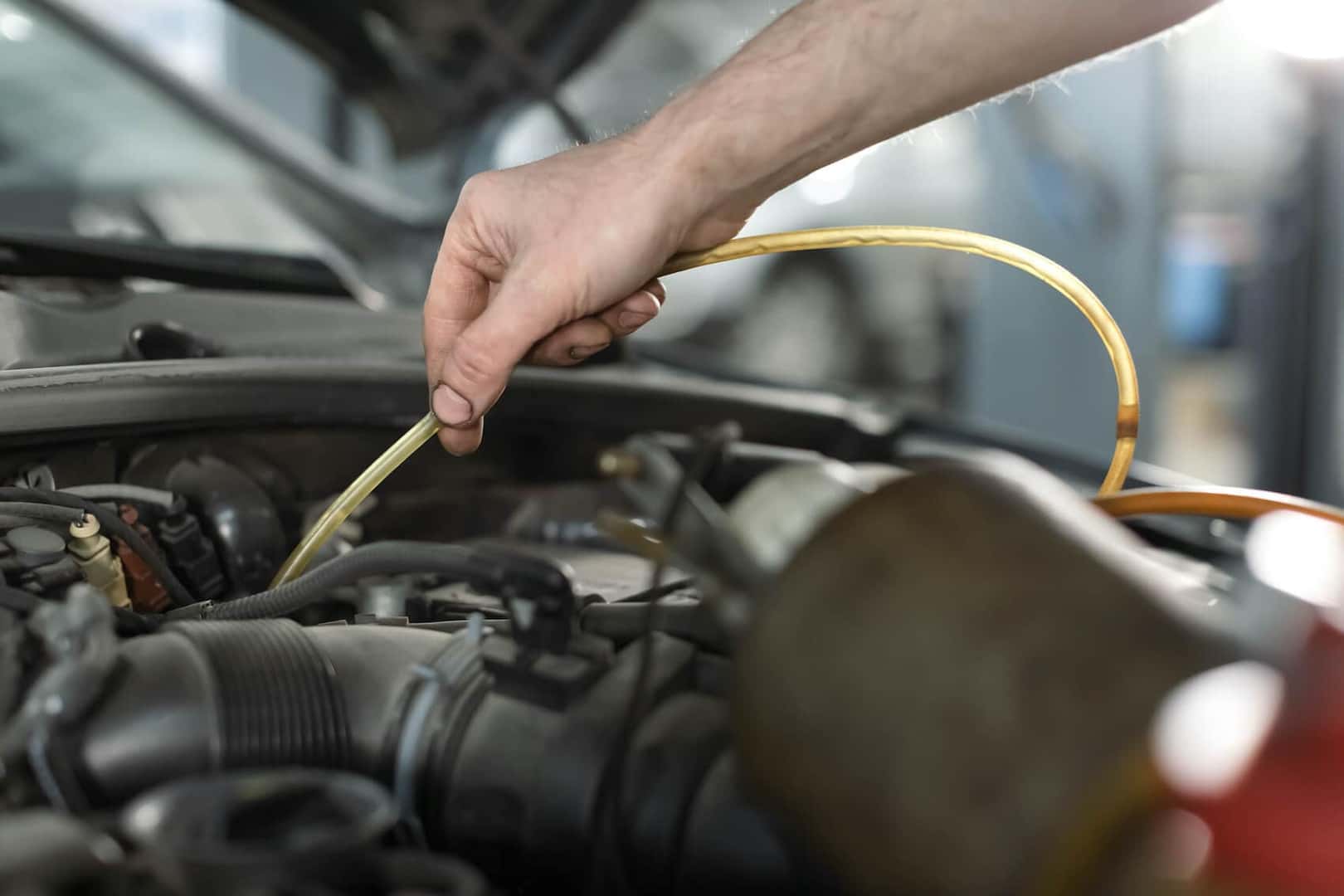
Take the clear plastic tubing and attach one end securely over the brake bleeder valve. Place the other end into the catch container filled with a small amount of brake fluid. Ensure it's submerged in the fluid to prevent air from entering the brake lines.
Bleed the Brakes
With the tubing in place, have a helper sit in the driver's seat. Instruct them to press the brake pedal slowly and hold it down. While they hold the pedal, use a wrench or socket set to open the bleeder valve. You'll see a mixture of air bubbles and old brake fluid flow into the tubing. Close the valve once the fluid stream is clear, and then have your helper release the brake pedal. Repeat this process for each wheel in the following order: rear passenger, rear driver, front passenger, and front driver.
Brake Fluid Change
Check the Brake Fluid Level
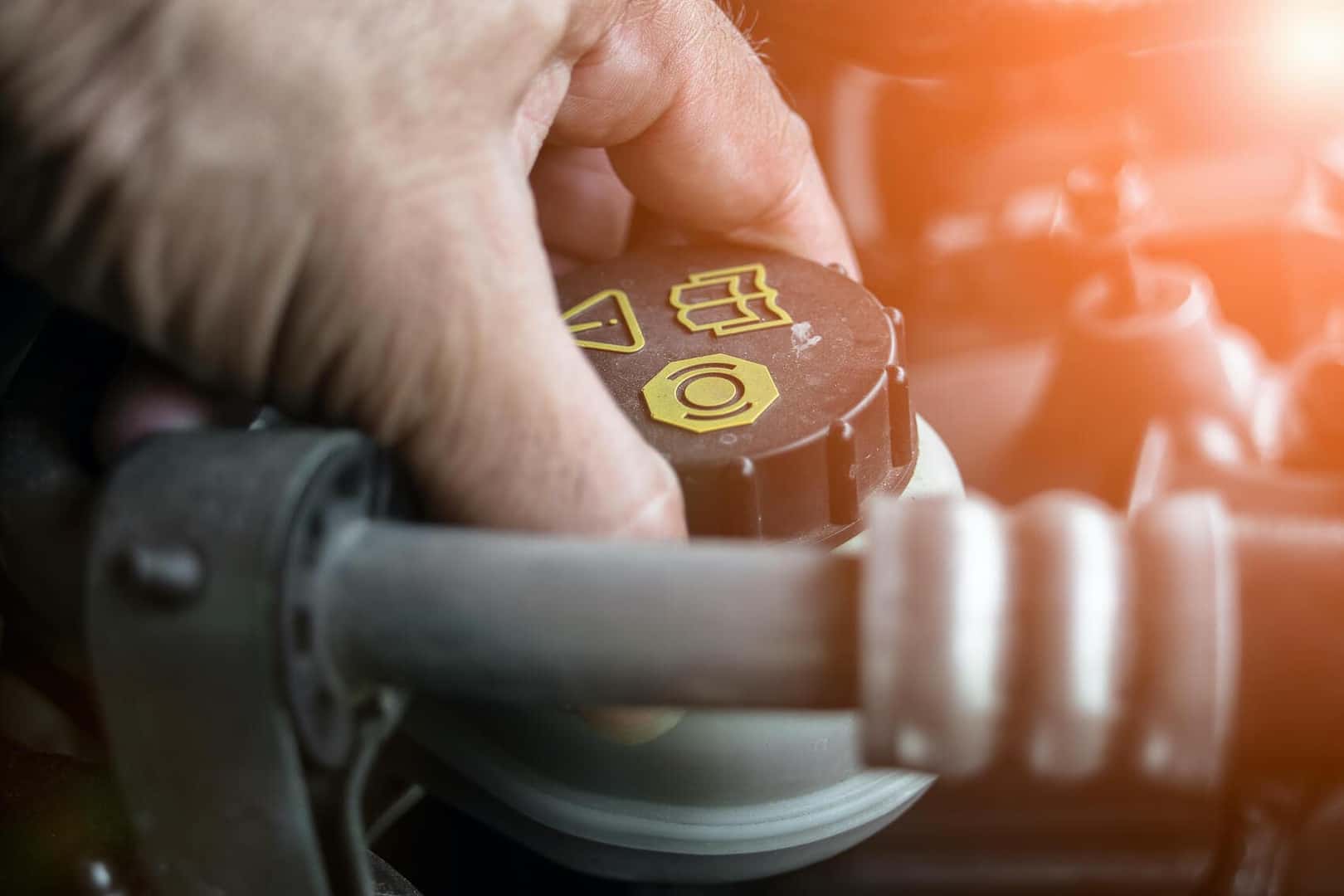
Throughout the process, keep an eye on the brake fluid reservoir under the hood. Ensure it doesn't run dry; add brake fluid as needed. Be sure to use a quality brake fluid recommended for your vehicle.
Schedule Your Vehicle’s Maintenance With Our Service Center Today
Now that you know how to bleed the brakes, you can ensure your vehicle's brakes are in optimal condition. By following these steps, you can maintain the integrity of your braking system and drive with confidence.
Regular brake maintenance helps prevent accidents and extends the lifespan of your braking system. If you are unsure about performing this procedure yourself, or if your vehicle needs any other maintenance or repairs, you’re welcome to schedule an appointment with our service center here at Ira Honda Saco – serving Scarborough, Saco, and Portland, Maine.

Contact Service

Please don't hesitate to direct your service questions to us! Fill out the simple form below and our technicians will get back to you.
  • This field is for validation purposes and should be left unchanged.

Saved Vehicles

You don't have any saved vehicles!

Look for this Save icon

Once you've saved some vehicles, you can view them here at any time.

Menu

Get Directions

754 Portland Road, Saco, ME, 04072
Group 1 Honda Saco 43.525837, -70.428461.