

Honda Pilot vs Hyundai Palisade

A premium SUV can be an excellent addition to your automotive family. At Ira Honda Saco, we know that choosing the right vehicle can be time consuming, which is why we’ve written a thorough comparison between the Honda Pilot vs. Hyundai Palisade. We look forward to our customers in Saco, Portland, and Scarborough, ME, learning the quick facts that’ll help make quick work of their purchasing decisions.
Honda Pilot vs Hyundai Palisade: Power & Performance
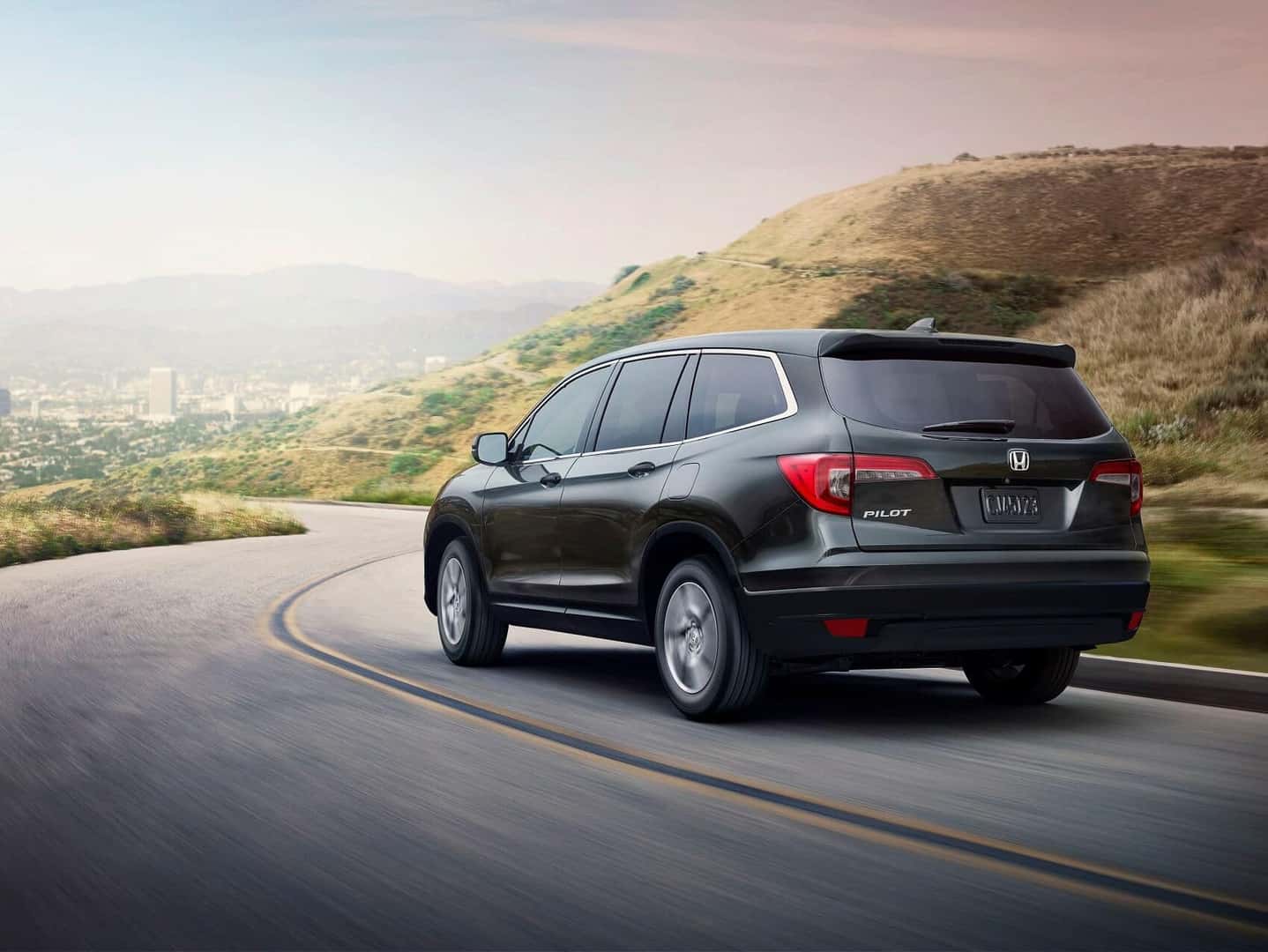 The Pilot comes equipped with a 3.5L V6 24-Valve SOHC i-VETC® engine that’s been paired with a 9-Speed Automatic Transmission with Shift-by-Wire (SBW) and Paddle Shifters. Additional automotive technology included is Variable Cylinder Management™ (VCM®), Active Noise Cancellation™, and Active Control Engine Mount System. The power output generated by this is 262 lb-ft of torque.
In contrast, the Palisade comes equipped with a 3.8L 6-cylinder 24-valve Dual-CVVT engine paired with an 8-speed automatic transmission with SHIFTRONIC®, which includes Shift-by-Wire as present in the Pilot. While it does not have the bevy of automotive technologies present like the Pilot does, it does have Idle Stop & Go, which helps to increase fuel efficiency. The power generated from this engine configuration is 262 lb-ft of torque, placing it next to the Pilot.
Honda Pilot vs Hyundai Palisade: Interior Space
An important part of the SUV driving experience is having appropriate interior cabin space for you and your passengers. While the amenities that come with generous space are important, they become especially important when your traditional trips turn into extended adventures. You’ll want, and need, a cabin that provides appropriate space for everyone.
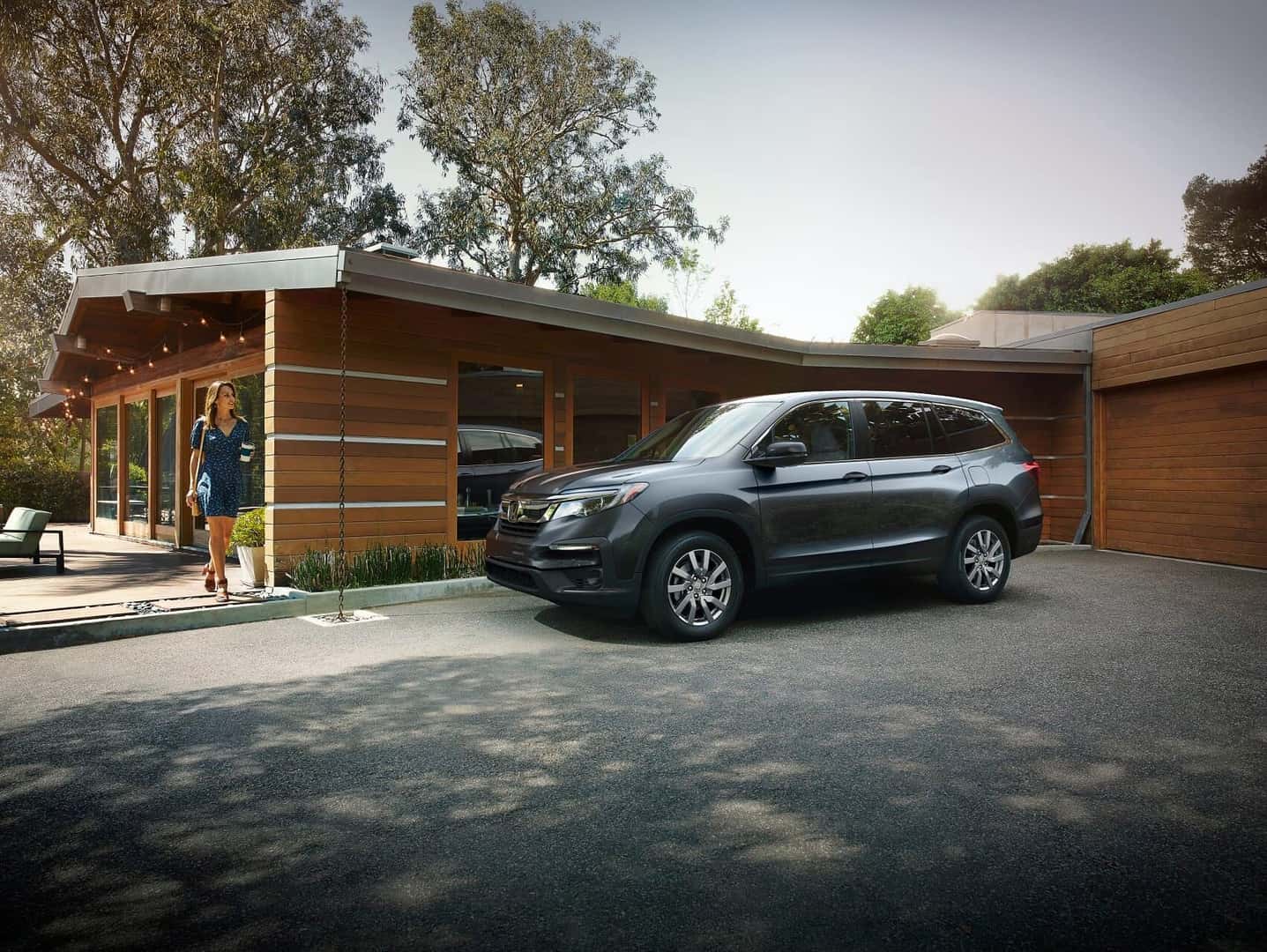 Starting with the Pilot, here are the interior measurements:
- Headroom: 40.1 in./40.2 in./38.9 in.
- Legroom: 40.9 in./38.4 in./31.9 in.
- Shoulder Room: 62 in./62 in./57.6 in.
- Hip Room: 59.1 in./57.3 in./44.6 in.
Now, in contrast, here are the numbers for the Palisade:
- Headroom (without sunroof): 40.7 in./40.1 in./37.8 in.
- Legroom: 44.1 in./42.4 in./31.4 in.
- Shoulder Room: 61.2 in./60.8 in./55.2 in.
- Hip Room: 58.1 in./57.7 in./43.7 in.
Now what we can tell from these numbers is that while the Palisade has a generally roomier front row, it steadily drops off the further back in the rows you go. That’s where the Pilot comes to shine, providing generous amounts of space for stretching out your legs and enjoying that freedom of movement that’s a blessing when restlessness strikes.
Honda Pilot vs Hyundai Palisade: Cargo Space
Now that we know how your passengers are going to feel inside your cabin, what about your stuff? Whether your trips are to the beach or cooler climes, you’ll need to bring the necessities. So, let’s compare cargo volumes and see who’ll carry the most.
Pilot
- Cargo Volume (behind 3rd-row): 16.5 cu. ft.
- Cargo Volume (behind 2nd-row): 46.8 cu. ft.
- Cargo Volume (behind 1st-row): 83.9 cu. ft.
Palisade
- Cargo Volume (behind 3rd-row): 18 cu. ft.
- Cargo Volume (behind 2nd-row): 45.8 cu. ft.
- Cargo Volume (behind 1st-row): 86.4 cu. ft.
Both vehicles have adequate space, but the Pilot has that crucial lead behind the second row. This means you can have the vehicle at two-thirds capacity and still have a generous amount of space to store the necessities for adventures and great times between friends.
Honda Pilot vs Hyundai Palisade: The Verdict
Now that our customers in Saco, Portland, and Scarborough, Maine, have read our comprehensive Honda Pilot vs. Hyundai Palisade comparison, we think you’ll agree that the Pilot is the optimal vehicle.
Now is the perfect time to come schedule a Pilot test drive of your own with us at Ira Honda Saco.
